Social Housing and Urban Diversity
Guaranteeing the right to dignified, sustainable, and affordable housing for all

Our approach to social housing goes beyond mere construction: we create truly inclusive living spaces. By placing eco-responsibility and social diversity at the heart of our projects, we provide low-income families with a secure living environment conducive to personal growth and civic integration.
Key Actions and Initiatives
- Construction of bioclimatic residences with high energy performance
- Thermal rehabilitation of old housing to reduce energy poverty
- Development of common spaces and shared community gardens
- Programs to support social home ownership
- Setting up social support and administrative assistance offices
- Partnerships with urban planners to promote diversity in neighborhoods
- Deployment of smart management solutions to optimize utilities and charges
- Creation of modular emergency housing for crisis situations
Expected Impact
Delivery of 2,500 new eco-responsible homes per year, a 30% reduction in energy bills for tenants, and the sustainable integration of more than 8,000 households into dynamic neighborhoods.
Elderly Care and Well-being
Reinventing retirement homes for a dignified and connected aging experience

We transform the way we welcome our seniors by placing respect, autonomy, and the joy of living at the center of our approach. Our facilities are designed as warm havens of peace where medical excellence combines with a rich and stimulating social life, ensuring that every day remains an opportunity for sharing.
Key Actions and Initiatives
- Design of small-scale nursing homes and specialized Alzheimer's units
- Continuous staff training in non-pharmacological care approaches
- Integration of home automation and assistive technologies for enhanced safety
- Organization of intergenerational activities with local schools
- Cognitive stimulation and autonomy maintenance programs
- Development of outdoor therapeutic health trails
- Deployment of digital platforms to connect residents with their families
- Quality catering based on short supply chains and tailored menus
Expected Impact
Creation of 15 new inclusive residences, personalized support for 5,000 seniors per year, and a 95% satisfaction rate among families regarding their loved ones' quality of life.
Public health and community health
Ensuring universal access to quality healthcare
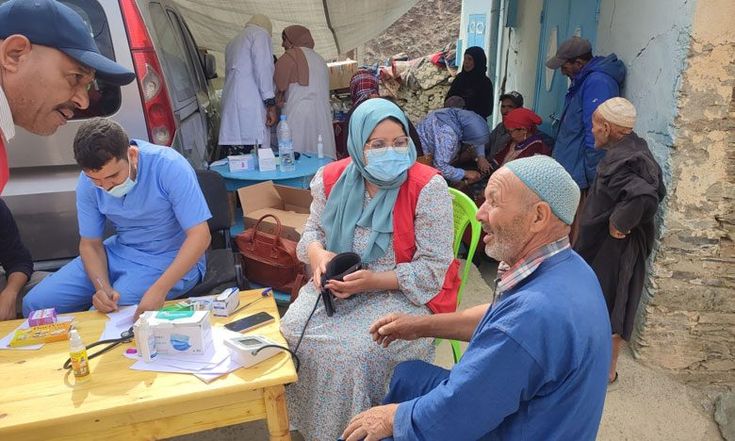
Our public health approach focuses on strengthening local health systems and improving access to care for the most vulnerable populations. We work closely with communities to develop sustainable solutions adapted to priority health needs.
Key actions and initiatives
- Construction and equipment of community health centers
- Training of local healthcare personnel
- Vaccination and prevention programs
- Improvement of maternal and child health
- Fight against neglected tropical diseases
- Awareness of hygiene practices
- Telemedicine and digital health solutions
- Supply of essential medicines
Expected impact
40% reduction in infant and maternal mortality, training of 500 community health workers per year, and improved access to care for more than 100,000 people in rural areas.
Education and capacity building
Opening doors to the future through inclusive education
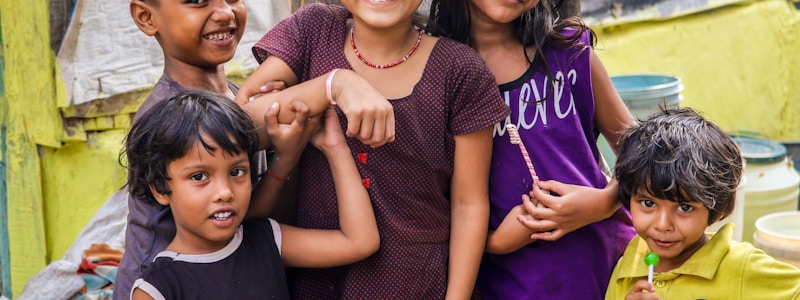
Education is a fundamental pillar of inclusive development. We work to ensure equitable access to quality education, emphasizing inclusion of marginalized groups, gender equality and development of skills adapted to contemporary challenges. Our holistic approach covers formal, non-formal education and vocational training.
Key actions and initiatives
- Construction and rehabilitation of primary and secondary schools
- Continuous teacher training
- Adult literacy programs
- Scholarships for girls and vulnerable children
- Digital education and access to technologies
- Professional and technical training
- Environmental education and citizenship
- School canteens and nutrition
Expected impact
Schooling of 10,000 additional children, training of 300 teachers per year, 30% reduction in dropout rate, and 50% increase in girls' participation in secondary education.
Digital and innovation
Accelerating development through digital technologies

Digital is an essential lever to stimulate growth, improve governance and promote social inclusion. We encourage equitable access to technologies, development of digital skills and local innovation to prepare communities for the challenges and opportunities of digital transformation.
Key actions and initiatives
- Expanded high-speed Internet access in rural areas
- Digital skills training for youth and women
- Creation of innovation centers and incubators
- Development of e-governance platforms
- Promotion of digital entrepreneurship
- Strengthening cybersecurity and data protection
- Digitalization of public and financial services
- Use of technologies for education and health
Expected impact
40% reduction in digital divide, training of 5,000 young people per year in digital skills, creation of 200 tech startups in 5 years, and significant improvement in access to public services through digital tools.
Water, hygiene and sanitation
Access to drinking water as a fundamental right

Access to drinking water, hygiene and sanitation (WASH) is essential for human dignity and sustainable development. We develop sustainable infrastructure and strengthen local capacities to ensure efficient community management of water resources. Our approach integrates climate change challenges and promotes appropriate technologies.
Key actions and initiatives
- Drilling and development of community wells
- Drinking water supply systems
- Construction of latrines and sanitation systems
- Training in good hygiene practices
- Community management of water points
- Recycling and wastewater treatment
- Protection of natural water sources
- Water purification equipment
Expected impact
Access to drinking water for 50,000 additional people, 60% reduction in waterborne diseases, training of 200 maintenance technicians, and improved sanitary conditions in 100 rural communities.
Agriculture and food security
Feeding communities through sustainable agriculture

Our sustainable agriculture approach aims to improve productivity, climate resilience and income of small producers. We promote ecological agricultural practices, development of local value chains and market access. Emphasis is placed on empowerment of rural women and technological innovation adapted to local contexts.
Key actions and initiatives
- Training in sustainable agricultural techniques
- Distribution of improved seeds and tools
- Irrigation and micro-irrigation systems
- Development of agricultural cooperatives
- Processing and conservation of products
- Access to agricultural credit and markets
- Community livestock and fish farming
- Climate-smart agriculture
Expected impact
40% increase in agricultural yields, training of 2,000 farmers in sustainable techniques, creation of 50 agricultural cooperatives, and improved food security for 25,000 people.
Renewable energy and access to electricity
Lighting the future with clean energy

Access to clean and affordable energy is crucial for socio-economic development. We develop decentralized energy solutions based on renewable energy, adapted to local needs. Our approach promotes energy autonomy of communities while contributing to the fight against climate change and creating local economic opportunities.
Key actions and initiatives
- Installation of photovoltaic solar systems
- Community electrical mini-grids
- Solar street lighting
- Technical training in renewable energy
- Improved stoves and biogas
- Micro-hydro and wind turbines
- Electrification of schools and health centers
- Local energy entrepreneurship
Expected impact
Electrification of 30 rural communities, installation of 500 domestic solar kits, training of 150 renewable energy technicians, and reduction of 1,000 tons of CO2 per year.
Entrepreneurship, innovation & financial inclusion
Creating sustainable economic opportunities

We stimulate local economic development by supporting entrepreneurship and innovation. Our approach aims to create a favorable ecosystem for small businesses, particularly for youth and women. We facilitate access to financing, markets and entrepreneurial skills, while promoting social and technological innovations adapted to local contexts.
Key actions and initiatives
- Incubation and support of entrepreneurs
- Microfinance and solidarity credit
- Business management training
- Development of local value chains
- Digital platforms and e-commerce
- Cooperatives and social economy
- Technological and social innovation
- Connection to regional markets
Expected impact
Creation of 1,500 micro-enterprises, training of 3,000 entrepreneurs, granting of 2,000 microcredits, generation of 5,000 direct and indirect jobs, with particular focus on women's economic empowerment.
Climate and sustainable development
Building resilience to climate change

Our public health approach focuses on strengthening local health systems and improving access to care for the most vulnerable populations. We work closely with communities to develop sustainable and culturally appropriate solutions that respond to priority health needs.
Key actions and initiatives
- Construction and equipment of community health centers
- Training of local healthcare personnel
- Vaccination and prevention programs
- Improvement of maternal and child health
- Fight against neglected tropical diseases
- Awareness of hygiene practices
- Telemedicine and digital health solutions
- Supply of essential medicines
Expected impact
40% reduction in infant and maternal mortality, training of 500 community health workers per year, and improved access to care for more than 100,000 people in rural areas.
Crisis response and humanitarian resilience
Supporting communities in emergency situations
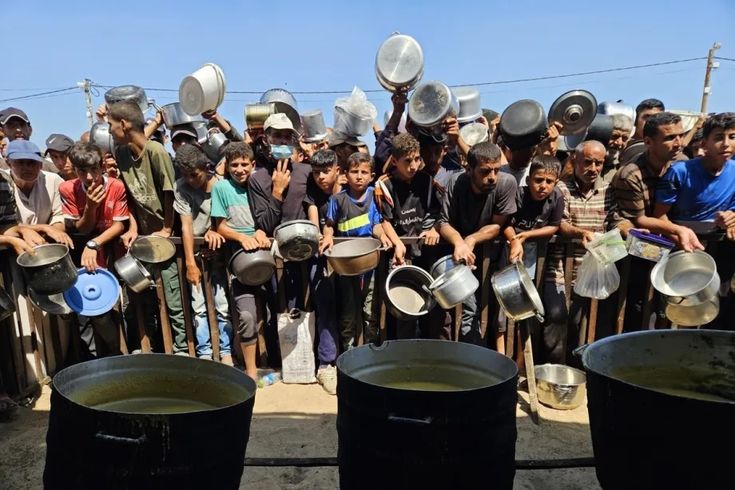
In a context of multiplying humanitarian crises, we develop rapid response capacities and community resilience strengthening. Our "nexus" approach links humanitarian, development and peace for more effective and sustainable interventions. We prioritize local solutions and capacity building of national actors for more appropriate and lasting response.
Key actions and initiatives
- Emergency assistance and humanitarian aid
- Early warning systems and preparedness
- Community resilience strengthening
- Protection of vulnerable populations
- Post-crisis rehabilitation
- Social cohesion and conflict prevention
- Multi-stakeholder coordination
- Humanitarian innovation and technologies
Expected impact
Direct assistance to 15,000 people in crisis situations, implementation of 10 early warning systems, training of 200 community volunteers, and development of contingency plans for 25 at-risk communities.